


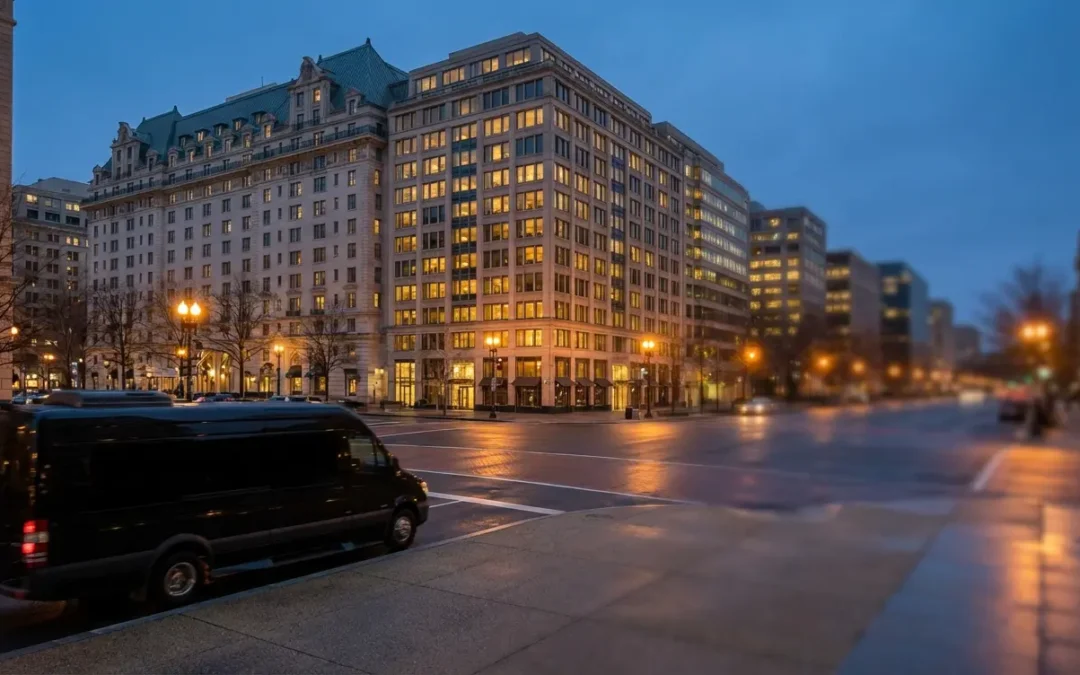
Moving 10, 25, or 50 people across Washington DC for a corporate event is a logistics problem, not a transportation problem. The vehicle is the easy part — it’s the routing, timing, and coordination that determine whether your group arrives together and on time, or scattered across a dozen rideshares wondering where everyone else is.
Presidential Limousine has handled group transportation for DC conferences, government functions, and corporate events since 1989 — from 6-person executive dinners to 200+ person multi-vehicle operations. Here’s how to plan it right: vehicle options by group size, DC-specific logistics most planners miss, common mistakes, costs, and a booking timeline.
Matching the Right Vehicle to Your Group Size
The most common mistake in group transportation planning is choosing a vehicle based on price instead of capacity. Here’s what actually works for each group size in Washington DC:
|
|
|
|
|
|
|
|
|
|
|
|
|
|
|
|
|
|
|
|
|
|
|
|
|
|
|
|
|
|
|
|
|
|
|
For DC events, Sprinter vans are the sweet spot. They’re large enough for most corporate groups but small enough to navigate Georgetown side streets, K Street loading zones, and hotel drop-off lanes that full-size coaches can’t access. When you need more capacity, executive buses handle 38–56 passengers in a single vehicle — no splitting the group across multiple cars.
DC-Specific Logistics Every Event Planner Should Know
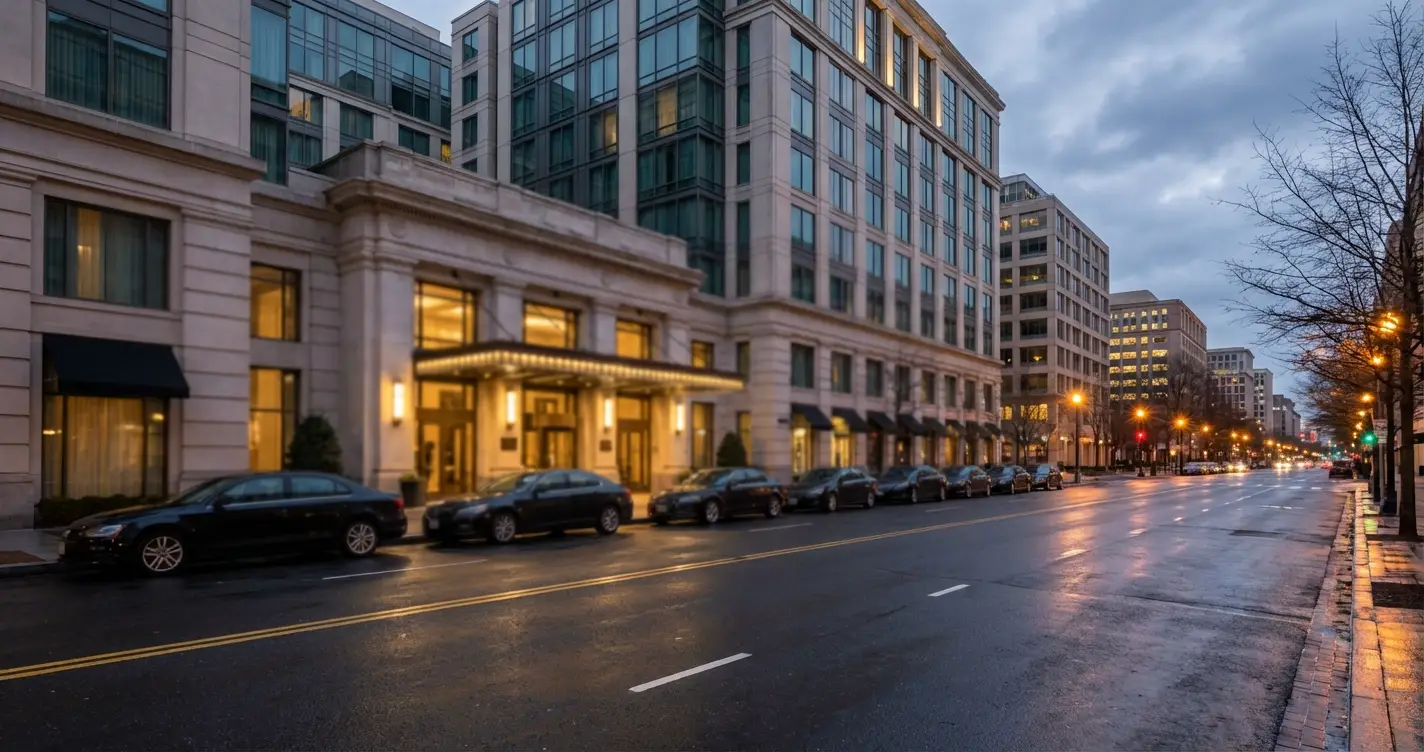
Washington DC isn’t like other cities when it comes to group transportation. The street grid, security zones, and event density create challenges that only show up on the day of — unless you plan for them.
Walter E. Washington Convention Center has specific loading and unloading zones on N Street and 9th Street NW. Vehicles over 30 feet need advance coordination with building management. If you’re running shuttle service between hotels and the Convention Center, the N Street entrance handles the flow best during peak arrival windows.
Hotel pickup routing matters. The Marriott Marquis, Renaissance, and other convention hotels cluster around Mount Vernon Square. If 200 attendees need pickup between 7:30 and 8:30am, stagger departure times by hotel — otherwise you’re sitting in a queue watching your agenda slip.
K Street and downtown drop-offs are harder than they look. No-standing zones along K Street make curbside pickup unreliable for rideshares. A dedicated corporate car service in Washington DC stages in approved locations and coordinates with building security for smooth pull-up access.
Georgetown access is restricted. M Street and Wisconsin Avenue have limited bus access. Full-size coaches may need to stage at the Georgetown waterfront while a Sprinter shuttles attendees the last half-mile. Plan this in advance — it’s not something you want to figure out with 30 people on a bus.
Embassy Row events on Massachusetts Avenue involve narrow parking and diplomatic security zones. Pre-cleared vehicles and drivers who know the protocol save 15–20 minutes of confusion at the door.
Airport coordination for arriving attendees. If your conference has people arriving on different flights from different cities, a car service tracks each flight individually and adjusts pickup times for delays. One booking covers a 4-hour arrival window — no attendee lands and waits.
These aren’t things you learn from a website. They come from decades of operating on DC streets, knowing which loading docks work, and which hotel managers to coordinate with.
5 Common Group Transportation Mistakes (And How to Avoid Them)
1. Booking Too Late
DC event season runs March through June — galas, fundraisers, association meetings, and cherry blossom events compete for the same fleet of vehicles. Inauguration years are worse. If you wait until three weeks out to book transportation for a 40-person event during peak season, you’ll pay a premium or won’t find availability at all.
Rule of thumb: 4–6 weeks for standard corporate events. 8–12 weeks for large conferences or anything during March–June.
2. Underestimating Headcount
Plan for the number attending, not the number confirmed. RSVPs shift. Last-minute additions happen. A Sprinter van (14 passengers) is better than two SUVs (12 total) — one vehicle, one driver, everyone together. And if three people cancel, you still have room.
3. Ignoring the Airport-to-Hotel Leg
Conference organizers focus on the event-day logistics and forget that 20 VIPs are arriving at DCA and Dulles over a 4-hour window the day before. Rideshare works for individuals, but if you’re responsible for executive attendees, an airport car service with flight tracking handles the full arrival window with one booking — each flight monitored, each driver waiting at arrivals.
For specifics on DCA airport transportation and Dulles airport car service, check the dedicated pages.
4. Forgetting the Return Trip
Dinner ends at 10pm. Thirty people need rides back to three different hotels. If you didn’t book the return, you’re standing outside a restaurant coordinating Ubers in the dark while your CEO waits on the curb.
We see this every conference season. Organizers book the outbound but forget the return. A round-trip booking with staged departures to each hotel solves it — and your guests walk from dinner straight into a waiting vehicle.
5. Not Communicating the Plan
Book the transportation. Then tell people about it. Share vehicle assignments, pickup times, and driver contact information with attendees before the event. A good car service provides a dedicated point of contact and a dispatch number — not just a driver’s cell phone.
What Group Transportation Costs in Washington DC
The question isn’t whether a car service in Washington DC costs more than rideshare. For groups, it almost always costs less per person.
|
|
|
|
|
|
|
|
|
|
|
|
|
|
|
|
|
|
|
|
|
|
|
|
|
|
|
|
|
|
|
|
A Sprinter van for 12 people to dinner costs $400–600. That’s $33–50 per person — less than an Uber Black for each of them, and everyone arrives together on time.
For larger events, the per-person economics improve even more. An executive bus for 40 people at $1,000 is $25 per head — cheaper than the cheapest rideshare option, with none of the coordination headaches.
Presidential Limousine quotes flat rates. The price includes the vehicle, driver, fuel, tolls, and gratuity. No hidden fees, no surge pricing, no post-event surprises on the invoice. Get a quote for your event.
A Planning Timeline for DC Group Transportation
- 8–12 weeks out — Book vehicles for large events (50+ attendees) or anything during peak season (March–June, inauguration years). Confirm vehicle types and get a flat-rate quote.
- 4–6 weeks out — Confirm vehicle types and itinerary for standard corporate events. Lock in Sprinter vans and SUVs for multi-stop days.
- 2–3 weeks out — Finalize headcount, pickup locations, and multi-stop routing. Provide your car service with venue addresses, contact names, and any access restrictions.
- 1 week out — Share the transportation plan with attendees: vehicle assignments, pickup times, and driver contact information.
- Day before — Confirm all details with your car service dispatcher. Verify flight numbers for airport pickups.
- Day of — Your car service handles the rest. One point of contact for any changes.
Frequently Asked Questions
How far in advance should I book group transportation in DC?
4–6 weeks for standard corporate events. 8–12 weeks during peak season (March–June) or for groups over 50. DC’s event density means vehicle availability tightens fast, especially for Sprinter vans and executive buses.
What’s the best vehicle for corporate group transportation in DC?
Sprinter vans (7–14 passengers) are the most versatile option for DC. They handle downtown streets, hotel loading zones, and Georgetown access that full-size coaches can’t. For larger groups, executive buses seat 38–56 and keep everyone together in one vehicle.
How much does a Sprinter van cost for a corporate event in DC?
$350–550 for a 4-hour event, $600–900 for a full day. Includes the driver, fuel, and flat-rate pricing with no surge. For detailed pricing, get a quote.
Can you coordinate airport pickups for a conference group?
Yes. A professional car service tracks each attendee’s flight individually and adjusts pickup times for delays. One booking covers the full arrival window — whether attendees land over 2 hours or 6 hours. Learn more about airport car service options.
Is it cheaper to use Uber for a group or book a car service?
For groups of 6 or more, a single vehicle (SUV or Sprinter) is almost always cheaper per person than individual rideshares. A Sprinter for 12 people costs $33–50 per person — less than Uber Black for each rider.
Presidential Limousine has served Washington DC, Northern Virginia, and Maryland since 1989. Rated 4.9 stars across 349+ Google reviews. Sedans, SUVs, Sprinters, and executive buses — available 24/7 for corporate events, conferences, and group transportation. Get a quote or call (703) 347-6900.